Наноматериалы на основе диоксида ванадия: полное руководство по моноклинным частицам, легированным вольфрамом, и нанопроволокам
Диоксид ванадия (VO₂) стал одним из наиболее перспективных термохромных материалов для энергоэффективных технологий следующего поколения. При модификации на наноразмерном уровне VO₂ раскрывает необычайные свойства, недоступные для объемных материалов. В этом руководстве рассматриваются три важнейших нано-материалы VO₂—чистая фазаМоноклинный VO2наночастицы,легированный вольфрамом VO2 наночастицы, иНанопроволоки VO2—предоставляя исследователям и инженерам полезную информацию для выбора материалов и разработки приложений.
---
Понимание основ: почему нано-VO₂ имеет значение
Приблизительно при 68 °C в объёмном VO₂ происходит обратимый переход металл-изолятор первого порядка, сопровождающийся резкими изменениями оптических и электрических свойств. Этот фазовый переход, обусловленный механизмом Мотта-Хаббарда, превращает VO₂ из моноклинного полупроводника в рутильное металлическое состояние. Однако объёмный VO₂ страдает от высоких температур перехода, низкой пропускающей способности в видимом диапазоне и ограниченной эффективности модуляции солнечного излучения.
Наноструктурирование позволяет преодолеть эти ограничения с помощью трех основных механизмов: эффектов квантового ограничения, которые смещают оптическое поглощение, увеличения отношения площади поверхности к объему, что повышает кинетику реакции, и гибкости внедрения легирующих примесей, что обеспечивает точное проектирование фазовых переходов. Эти преимущества делают нано-VO₂ незаменимым материалом для «умных» окон, термодатчиков, систем хранения энергии и нейроморфных вычислительных устройств.
---
Наночастицы VO₂: универсальные строительные блоки
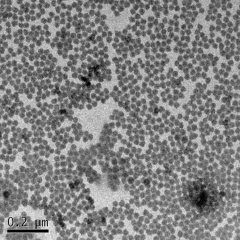
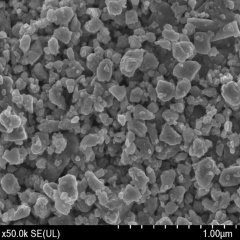
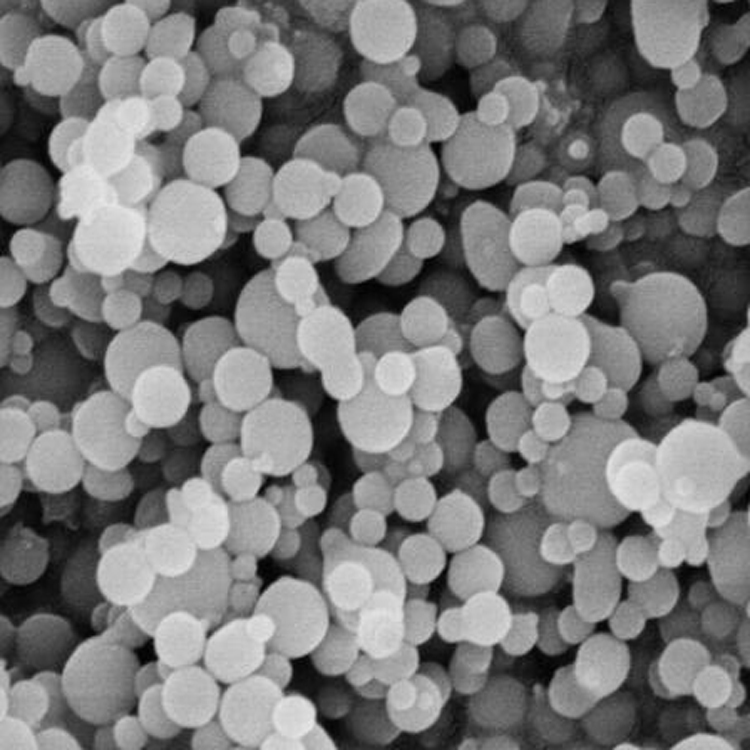
Наночастицы VO₂ (обычно 100–200 нм) представляют собой наиболее доступную в коммерческом плане форму наноструктурированного диоксида ванадия. Их квазисферическая морфология обеспечивает однородное диспергирование в полимерных матрицах, красках и покрытиях.
Основные параметры производительности:
- Температура фазового перехода:67°C ± 3°C
Основное ограничение нелегированных наночастиц VO₂ заключается в их высокой температуре перехода, что ограничивает их практическое применение в условиях комнатной температуры, например, в архитектурном остеклении.
---
Наночастицы VO₂, легированные вольфрамом: проектирование фазового перехода.
Легирование вольфрамом представляет собой наиболее эффективную стратегию для снижения температуры фазового перехода VO₂ до уровня, позволяющего работать при комнатной температуре. Каждый атомный процент вольфрама обычно снижает температуру перехода примерно на 20–26 °C, что позволяет проводить точную калибровку для целевых применений.
Важные аспекты допинга:
Содержание вольфрама (ат.%)
|
Температура перехода (°C)
|
Основное приложение
|
| 0% |
67°C ± 3°C
|
Высокотемпературные датчики
|
| 1% |
45°C ± 3°C
|
Промышленные термовыключатели
|
| 1,5% |
33°C ± 3°C
|
Автомобильное интеллектуальное остекление
|
| 2% |
22°C ± 3°C
|
Строительство энергоэффективных окон
|
Наночастицы VO₂, легированные вольфрамом, сохраняют моноклинно-рутиловый структурный переход, одновременно вводя локализованные электронные состояния, которые облегчают зарождение носителей заряда при более низких тепловых энергиях. Однако избыточное содержание вольфрама (>3 ат.%) снижает эффективность модуляции солнечного излучения и уменьшает кристалличность, устанавливая практический предел легирования для большинства оптических применений.
Для применения в интеллектуальных окнах наночастицы VO₂, легированные вольфрамом и внедренные в промежуточные слои полиэтилентерефталата (ПЭТ) или поливинилбутирала (ПВБ), демонстрируют модуляцию солнечного излучения, превышающую 15%, при сохранении коэффициента пропускания видимого света выше 45%, что соответствует пороговым значениям производительности для интеграции в коммерческие здания.
---
Нанопроволоки VO₂: одномерные функциональные архитектуры
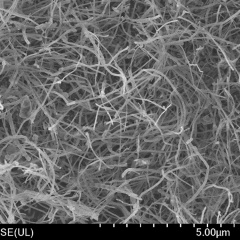
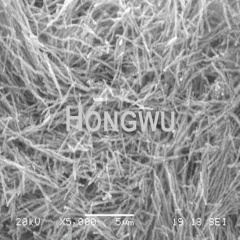
Нанопроволоки VO₂ обладают уникальными анизотропными свойствами, обусловленными их высоким соотношением длины к диаметру (длина: 10 мкм; диаметр: 100 нм). Эти одномерные структуры демонстрируют оптическое переключение, зависящее от ориентации, улучшенный перенос электронов вдоль оси проволоки и превосходную механическую гибкость по сравнению с частицами-аналогами.
Отличительные характеристики:
- Анизотропный фазовый переход: Нанопроволоки часто демонстрируют расширенные области перехода из-за метастабильных фаз, стабилизированных поверхностью.
- Усиление эффектов локального поля: субволновые диаметры позволяют осуществлять плазмонные взаимодействия в металлической фазе.
- Прямая интеграция в устройства: отдельные нанопроволоки служат активными элементами в полевых транзисторах, мемристорах и датчиках на основе отдельных нанопроволок.
Недавние исследования, опубликованные в журнале Advanced Functional Materials (2025), продемонстрировали, что массивы нанопроволок VO₂, выращенные на гибких подложках, достигают коэффициентов обратимого переключения сопротивления, превышающих 10⁴, что делает их перспективными кандидатами для применения в энергонезависимой памяти и искусственных синапсах в нейроморфных вычислительных архитектурах.
---
Руководство по сравнительному выбору
Свойство
|
моноклинныйVO2
|
W-легированный VO2
|
Нанопроволоки
|
Температура перехода
|
68°C
|
Регулируемая температура (10–50 °C)
|
50–65 °C (зависит от размера)
|
Солнечная модуляция
|
Умеренный
|
Высокий
|
Переменный (анизотропный)
|
Дисперсность
|
Отличный
|
Отличный
|
Испытывающий
|
Масштабируемость
|
Высокий
|
Умеренный
|
Умеренный
|
Лучшее приложение
|
Покрытия,Композиты
|
«Умные окна»
|
Датчики, Ээлектроника
|
Уровень затрат
|
$ |
$$ |
$$$ |
---
Часто задаваемые вопросы
В: Может ли наночастица VO₂, легированная вольфрамом, обеспечить переключение при комнатной температуре без ущерба для оптических характеристик?
A: При легировании вольфрамом в концентрации 2,0 ат.% температура перехода приближается к 20 °C с приемлемой модуляцией солнечного излучения (ΔTsol 12–14%). Однако пропускание видимого света снижается, что требует применения антиотражающих покрытий или оптимизации распределения частиц для коммерческих оконных конструкций.
В: Доступны ли нанопроволоки VO₂ в продаже?
А: В настоящее время нанопроволоки VO₂ остаются преимущественно исследовательским материалом, поставляемым специализированными поставщиками наноматериалов в граммовых количествах. Промышленное производство по-прежнему ограничено скоростью роста и стоимостью подложек.
---
Ландшафт наночастиц VO₂ стремительно развивается.Для организаций, оценивающих возможность внедрения наночастиц VO₂, легированные вольфрамом наночастицы предлагают наиболее быстрый коммерческий путь для энергоэффективного остекления, в то время как нанопроволоки открывают большие возможности в электронике следующего поколения. Понимание отличительных преимуществ и ограничений каждой морфологии позволяет сделать обоснованный выбор материала в соответствии с конкретными требованиями к производительности и производственными ограничениями.


 русский
 English
 français
 Deutsch
 italiano
 español
 português
 日本語
日本語 한국의
한국의 Türkçe





 8620-87226359,8620-87748917

